Chevrolet Silverado: Technical Deep Dive & Performance
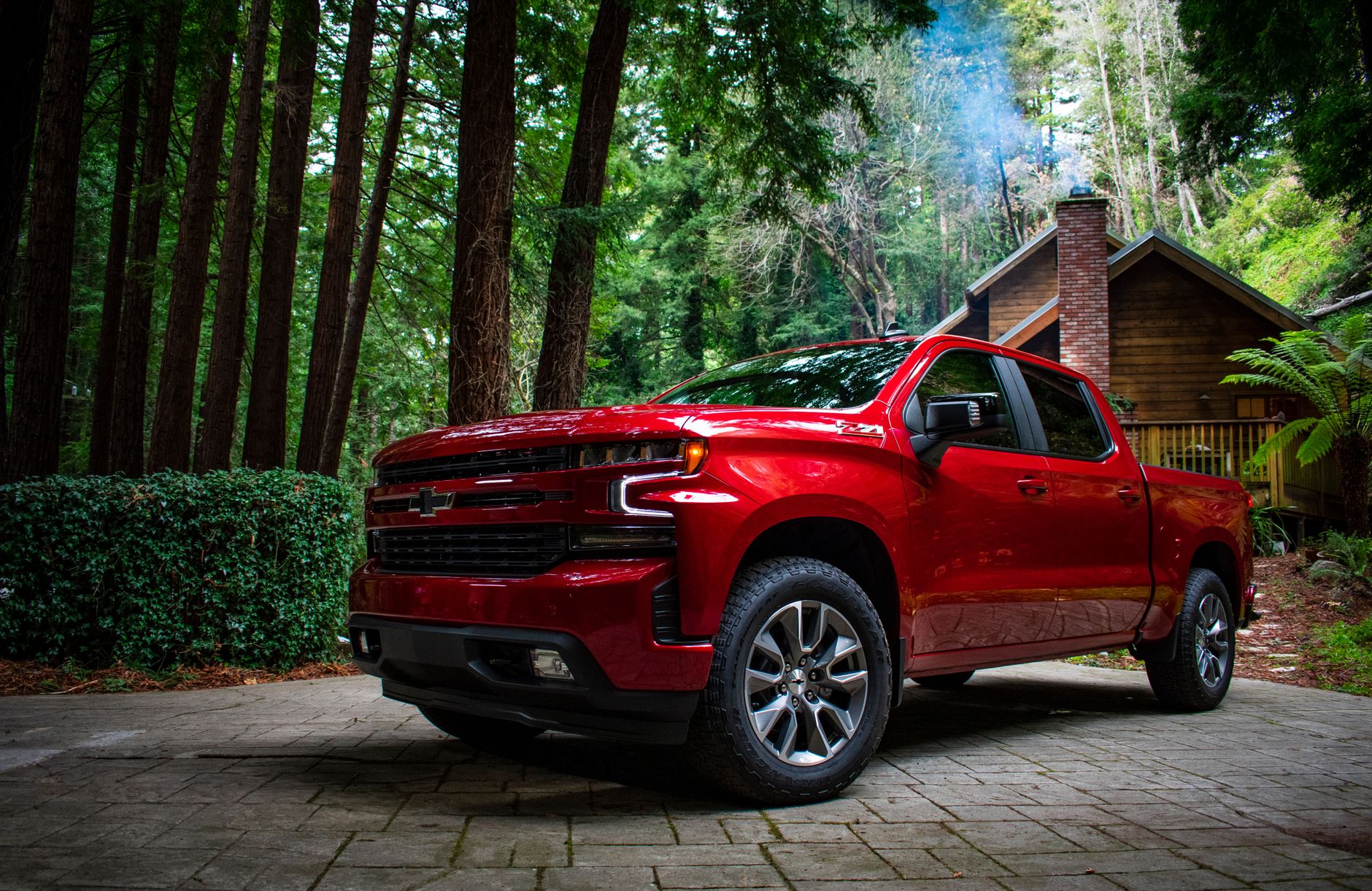
Key Takeaways
- •The Silverado leverages advanced material science, including high-strength steel and aluminum, for an optimized balance of strength and weight.
- •A diverse powertrain lineup, featuring EcoTec3 V8s, TurboMax I4, and Duramax Turbo-Diesel, caters to a broad spectrum of towing, hauling, and efficiency needs.
- •Integrated with advanced driver-assistance systems (ADAS) like Super Cruise and comprehensive infotainment, the Silverado offers cutting-edge safety and connectivity.
- •Its modular T1XX platform underpins significant variations, from light-duty 1500 models to heavy-duty 2500/3500 series, ensuring versatility and segment leadership.
Technical Specifications & Data
| Platform Generation | T1XX (4th Generation) |
| Chassis Construction | High-strength hydroformed steel frame |
| Body Panel Materials | Mixed materials: Steel (cab, bed), Aluminum (hood, tailgate, some doors) |
| Base Engine (2.7L TurboMax I4) | 310 hp / 430 lb-ft torque |
| V8 Engine (5.3L EcoTec3 V8) | 355 hp / 383 lb-ft torque |
| Diesel Engine (3.0L Duramax I6) | 305 hp / 495 lb-ft torque |
| Max Conventional Towing (1500) | Up to 13,300 lbs (with 6.2L V8 and Max Trailering Package) |
| Max Payload Capacity (1500) | Up to 2,260 lbs (with 2.7L TurboMax engine) |
| Transmission Options | 8-speed automatic, 10-speed automatic |
| Front Suspension Type | Independent coil-over-shock with forged aluminum upper control arms |
| Rear Suspension Type | Solid axle with two-stage multi-leaf springs (1500); Multi-link with coil springs (some HD/specific trims) |
| Infotainment System | Google Built-in, 13.4-inch touchscreen, Wireless Apple CarPlay/Android Auto |
Technical Architecture Overview
The Chevrolet Silverado, a cornerstone of the full-size truck market, is built upon a sophisticated technical architecture designed for resilience, versatility, and performance. At its core, the Silverado utilizes a high-strength hydroformed steel frame, a critical component that provides the structural integrity necessary for heavy loads and demanding terrain. This frame's construction involves a specialized manufacturing process where tubular steel is shaped using high-pressure fluid, creating a robust, lightweight, and incredibly precise structure. This method significantly improves torsional rigidity, enhancing handling, ride quality, and crashworthiness.
Body construction integrates a mix of materials to achieve optimal weight distribution and durability. While the primary cab structure remains steel, certain components like the hood and tailgate on modern Silverado models often incorporate aluminum, a strategic choice to reduce overall curb weight without compromising strength in critical areas. This multi-material approach, often referred to as 'mixed-material construction,' allows engineers to place specific materials where their properties are most beneficial—steel for high-impact zones and cabin safety, aluminum for weight reduction and fuel efficiency gains. The cargo box, known as the DuraBed, is meticulously engineered with high-strength steel for exceptional dent, scratch, and corrosion resistance.
Suspension systems are another area of significant engineering. Light-duty Silverado 1500 models feature an independent coil-over-shock front suspension, which significantly enhances ride comfort and steering precision compared to older solid-axle designs. The rear suspension, traditionally a solid axle with two-stage multi-leaf springs, is engineered for maximum load carrying and durability. For specific off-road trims like the ZR2, Chevrolet integrates advanced Multimatic DSSV (Dynamic Suspensions Spool Valve) dampers, providing exceptional damping control and wheel travel for extreme terrain. Heavy-duty models (2500HD/3500HD) feature even more robust suspension components, often incorporating heavier-duty leaf springs or, in some configurations, an advanced multi-link rear setup for improved ride and articulation under extreme loads. Braking systems are equally robust, typically featuring large-diameter Duralife rotors and calipers designed for consistent, powerful stopping power even when towing maximum loads, emphasizing thermal management and longevity.
Deep-Dive Systems & Performance Benchmarks
The Silverado's performance capabilities are defined by its diverse and powerful powertrain options, each meticulously engineered to meet varied demands. The entry-level engine, the 2.7L TurboMax I4, is a marvel of modern engineering, delivering impressive torque (often exceeding 430 lb-ft) and horsepower (over 310 hp) usually associated with larger V8s, while offering superior fuel efficiency. This engine is typically paired with an 8-speed automatic transmission. Stepping up, the venerable 5.3L EcoTec3 V8 remains a popular choice, generating around 355 hp and 383 lb-ft of torque, often mated to an 8-speed or 10-speed automatic transmission. For those demanding more power, the 6.2L EcoTec3 V8 stands out, boasting approximately 420 hp and 460 lb-ft of torque, exclusively paired with the advanced 10-speed automatic transmission, enabling a maximum conventional towing capacity often exceeding 13,300 lbs when properly equipped.
The diesel option, the 3.0L Duramax Turbo-Diesel I6, is a highlight for its blend of power and efficiency. This engine typically delivers around 305 hp and an impressive 495 lb-ft of torque, making it ideal for both towing and long-haul driving with excellent fuel economy. It is also paired with the 10-speed automatic. These transmissions are not just about gear count; they feature sophisticated shift logic, tow/haul modes, and integrated engine braking to optimize performance and efficiency under various conditions.
Beyond raw power, the Silverado integrates advanced driver-assistance systems (ADAS) under the umbrella of Chevy Safety Assist, which includes features like Automatic Emergency Braking, Front Pedestrian Braking, Lane Keep Assist with Lane Departure Warning, and IntelliBeam auto high beams. Higher trims offer more sophisticated systems, notably
Super Cruise, a hands-free driver assistance technology for compatible roads, leveraging precision GPS, LiDAR map data, and a driver attention system.Infotainment is handled by sophisticated systems featuring large touchscreens (up to 13.4 inches) with Google Built-in, wireless Apple CarPlay and Android Auto, and available Wi-Fi hotspots, ensuring seamless connectivity and entertainment on the go. The available Four-Wheel Drive (4WD) systems range from traditional part-time 4x4 to more advanced automatic 4WD systems that can engage on demand, enhancing traction and control across diverse terrains.
Why This Matters & Industry Impact
The Chevrolet Silverado's engineering prowess and continuous evolution hold significant weight in the automotive industry and economy. As one of the best-selling vehicles globally, its technical advancements directly influence design trends, manufacturing processes, and consumer expectations within the highly competitive full-size truck segment. Chevrolet's commitment to optimizing the
- chassis rigidity
- powertrain efficiency
- payload capacity
The diverse engine lineup is a testament to addressing varied consumer and commercial needs. From the fuel-efficient TurboMax I4 appealing to daily drivers and light-duty fleets, to the torque-rich Duramax diesel favored by those with heavy towing demands, and the powerful EcoTec3 V8s for enthusiasts and demanding work, the Silverado demonstrates a comprehensive understanding of its market. This flexibility translates into significant economic impact, supporting numerous industries from construction and agriculture to small businesses and recreational users who rely on the truck's capabilities.
Furthermore, the integration of advanced technologies like Super Cruise and the comprehensive Chevy Safety Assist suite showcases the Silverado's role as a platform for future mobility solutions. As autonomous driving capabilities and enhanced connectivity become standard, vehicles like the Silverado serve as critical proving grounds, accelerating the adoption and refinement of these systems. The inevitable transition towards electrification, exemplified by the upcoming Silverado EV, represents a monumental shift. The learnings from the conventional Silverado's robust architecture and sophisticated systems will undoubtedly inform the design and engineering of its electric counterparts, ensuring that the legacy of performance and utility continues in a new era of sustainable transport. This continuous cycle of innovation underscores the Silverado's enduring relevance as a technological leader and economic powerhouse.
Find the latest deals on Chevrolet Silverado models and accessories at your local dealership today!
Chronological Timeline
Chevrolet Silverado nameplate officially launched as a standalone model, replacing the C/K series, built on the GMT800 platform.
Second generation Silverado (GMT900 platform) introduced with significant styling updates, improved aerodynamics, and enhanced powertrain options.
Third generation Silverado (K2XX platform) released, focusing on lightweighting with new EcoTec3 engines and a more aerodynamic design.
Fourth generation Silverado (T1XX platform) debuted, featuring further weight reduction, a new 3.0L Duramax turbo-diesel option, and advanced technological integration.
Introduction of the Chevrolet Silverado EV, marking the brand's entry into the all-electric full-size truck market, utilizing the Ultium platform.
Frequently Asked Questions
What are the key technical advantages of the Silverado's T1XX platform?
Which Silverado engine provides the best balance of power and fuel efficiency for everyday use?
What advanced driver-assistance systems (ADAS) are available in the latest Silverado models?
Daily Specs Editorial Staff
Lead Technical Analyst & Hardware Researcher
The Daily Specs editorial staff compiles, benchmarks, and verifies emerging technical specifications directly from system architecture manuals, hardware datasheets, and open-source codebases to deliver high-gain technical intelligence.