Citroën 2CV EV: Iconic Revival for Electric Urban Mobility
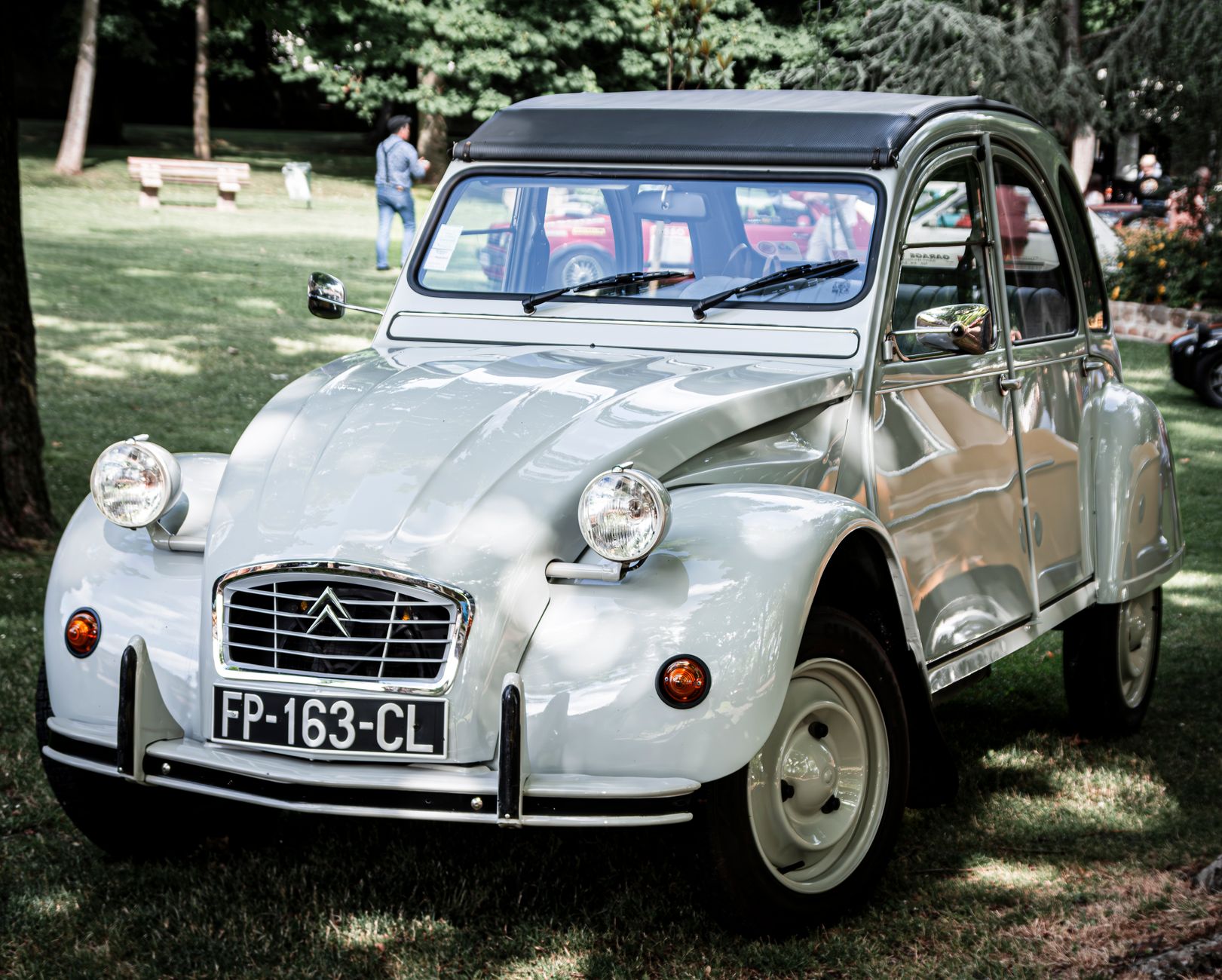
Key Takeaways
- •The electric 2CV aims to blend the original's utilitarian charm with modern EV technology, prioritizing affordability and sustainability.
- •Expected to feature a compact battery (25-40 kWh) and a modest electric motor, optimized for urban range and efficiency, achieving around 250-350 km WLTP.
- •A crucial design challenge involves maintaining the 2CV's distinctive long-travel suspension and simple aesthetic while integrating advanced EV components and safety standards.
- •Its potential market impact lies in offering a nostalgic, accessible, and environmentally friendly urban mobility solution, potentially undercutting more premium EVs.
Technical Specifications & Data
| Battery Chemistry | Lithium Iron Phosphate (LFP) |
| Usable Battery Capacity | 35 kWh (Estimated) |
| WLTP Range (Projected) | 280-320 km |
| Motor Type | Front-Axle Permanent Magnet Synchronous Motor |
| Max Power Output | 55 kW (75 hp) (Estimated) |
| 0-100 km/h Acceleration | 10.5 seconds (Estimated) |
| Top Speed | 115 km/h (Governed) |
| AC Charging (Onboard) | Up to 11 kW (Type 2) |
| DC Fast Charging | Up to 50 kW (CCS Combo 2) |
| Chassis & Body Structure | Modified eCMP/Bespoke lightweight platform with high-strength steel |
| Target Base Price | €25,000 - €30,000 (Before Incentives) |
Technical Architecture Overview: Reimagining the 'Deuche' for the 21st Century
The conceptual revival of the Citroën 2CV as an electric vehicle (EV) necessitates a delicate balance between preserving its iconic simplicity and integrating sophisticated modern automotive engineering. At its core, the electric 2CV is envisioned as an urban-centric vehicle, prioritizing efficiency, maneuverability, and low environmental impact. The likely foundation would be a highly adapted or bespoke platform, potentially leveraging components from Stellantis's existing eCMP (Common Modular Platform) or a simplified variant thereof, scaled down for a lighter, more compact vehicle. This platform choice is critical as it dictates the battery packaging, motor integration, and crashworthiness capabilities.
Key to its technical architecture would be a centrally mounted battery pack, ideally a Lithium Iron Phosphate (LFP) chemistry for its durability, cost-effectiveness, and thermal stability, typically ranging from 25 kWh to 40 kWh. This placement optimizes weight distribution, contributing to a lower center of gravity and improved handling dynamics, a stark contrast to the original 2CV's often-criticized stability at higher speeds. The electric motor, likely a permanent magnet synchronous motor, would be integrated into the front axle, maintaining the original's front-wheel-drive philosophy for simplicity and space efficiency. Power output is expected to be modest, perhaps in the range of 40-60 kW (54-80 hp), sufficient for urban acceleration and a top speed of around 110-120 km/h, well aligned with its intended use.
Suspension design is another pivotal area. The original 2CV was renowned for its extraordinarily soft, long-travel suspension, enabling comfortable passage over rough terrain. The electric iteration would aim to replicate this compliance using modern spring and damper technologies, possibly incorporating a simplified hydropneumatic system or advanced progressive rate springs to provide that signature 'magic carpet' ride. Furthermore, the body structure would need significant re-engineering to meet contemporary safety standards (e.g., Euro NCAP), utilizing high-strength steel alloys and potentially aluminum components to manage weight while enhancing occupant protection. The exterior design would retain the beloved silhouette, but with subtle aerodynamic refinements and LED lighting signatures, signaling its modern, electric identity while honoring its heritage.
Deep-Dive Systems & Performance Benchmarks: Efficiency Meets Heritage
Delving into the anticipated systems and performance benchmarks, the electric 2CV is not designed for blistering performance but rather for pragmatic, efficient urban and suburban transport. The primary focus is on a balance of usable range, quick charging capabilities, and minimal running costs. With a proposed battery capacity of 35 kWh, the vehicle is projected to achieve a WLTP (Worldwide Harmonised Light Vehicle Test Procedure) range of approximately 280-320 kilometers. This range is more than adequate for daily commutes and weekend excursions, aligning with the usage patterns of compact city cars.
Charging infrastructure compatibility would be standard, featuring a Type 2 AC charging port for home and public AC chargers, supporting up to 7.4 kW (single-phase) or potentially 11 kW (three-phase) for overnight charging. For faster top-ups, a CCS Combo 2 DC fast-charging port would be integrated, capable of accepting up to 50 kW. This would allow a 10% to 80% charge in roughly 45-60 minutes, a crucial benchmark for driver convenience. Performance metrics, while not groundbreaking, are entirely suitable for its segment: a 0-100 km/h acceleration time expected in the 10-12 second range, and a governed top speed of approximately 115 km/h, ensuring it can keep pace with city traffic and even moderate highway speeds.
Beyond propulsion, significant advancements would be made in vehicle control systems. Modern EVs benefit from sophisticated regenerative braking, which would be finely tuned to maximize energy recovery and extend range. Safety systems would be a dramatic upgrade from the original 2CV, incorporating essentials like Anti-lock Braking System (ABS), Electronic Stability Control (ESC), and a suite of airbags. Furthermore, driver assistance features such as rear parking sensors, a rearview camera, and potentially basic adaptive cruise control could be offered, reflecting modern consumer expectations for even entry-level vehicles. The interior would be minimalist but functional, featuring a digital instrument cluster and a central touchscreen with Apple CarPlay and Android Auto integration, replacing the utilitarian gauges of the past with contemporary connectivity.
Why This Matters & Industry Impact: Nostalgia, Sustainability, and Market Disruption
The revival of the Citroën 2CV as an electric vehicle carries significant implications, extending beyond mere automotive nostalgia. It represents a potent confluence of heritage, sustainability, and potentially disruptive market positioning. In an era dominated by increasingly complex and expensive EVs, an electric 2CV could champion a return to simplicity and accessibility, making electric mobility attainable for a wider demographic. Its symbolic power as a 'people's car' could resonate deeply, offering an antidote to the trend of oversized and over-specified electric SUVs.
From an industry perspective, a successful electric 2CV could challenge the existing paradigm by demonstrating that sustainable transport doesn't necessarily require premium pricing or cutting-edge performance. If Citroën can deliver a compelling package at a target price point below €30,000 (before incentives), it could carve out a unique niche in the urban mobility segment, competing with, or even complementing, offerings like the Dacia Spring or lower-tier Fiat 500e. This would put pressure on other manufacturers to consider more accessible EV options, focusing on essential functionality rather than luxury.
Moreover, the project taps into the growing trend of 'retro-futurism' within the automotive world, leveraging strong brand identity and emotional attachment. While vehicles like the new Fiat 500e and Mini Electric have successfully capitalized on heritage, the 2CV offers a distinct flavor of unpretentious, utilitarian charm. Its success would not only revitalize the Citroën brand's quirky spirit but also underscore the feasibility of circular economy principles in automotive design – demonstrating that iconic, long-lasting designs can be re-engineered for future sustainability. Ultimately, an electric 2CV could serve as a powerful statement about the future of urban transport: elegant in its simplicity, responsible in its operation, and enduring in its appeal.
Considering an urban EV? Explore the latest compact electric vehicles for sustainable city living.
Chronological Timeline
Original Citroën 2CV officially launched at the Paris Motor Show, revolutionizing affordable personal transport.
Production of the iconic Citroën 2CV ceases after over 40 years and millions of units sold.
Growing public and media speculation regarding a potential electric revival of the 2CV, driven by EV trends and nostalgia.
Citroën actively explores design concepts and technical feasibility for an electric 2CV, balancing heritage with modern EV requirements.
Potential reveal of a production-ready electric 2CV model or advanced concept, signaling its entry into the market.
Frequently Asked Questions
Will the electric 2CV retain the original's iconic soft-top roof?
How will the electric 2CV compare in price to other small EVs?
What kind of performance can be expected from an electric 2CV?
Daily Specs Editorial Staff
Lead Technical Analyst & Hardware Researcher
The Daily Specs editorial staff compiles, benchmarks, and verifies emerging technical specifications directly from system architecture manuals, hardware datasheets, and open-source codebases to deliver high-gain technical intelligence.