Orange Cat Genetics Unlocked: The 60-Year Scientific Quest
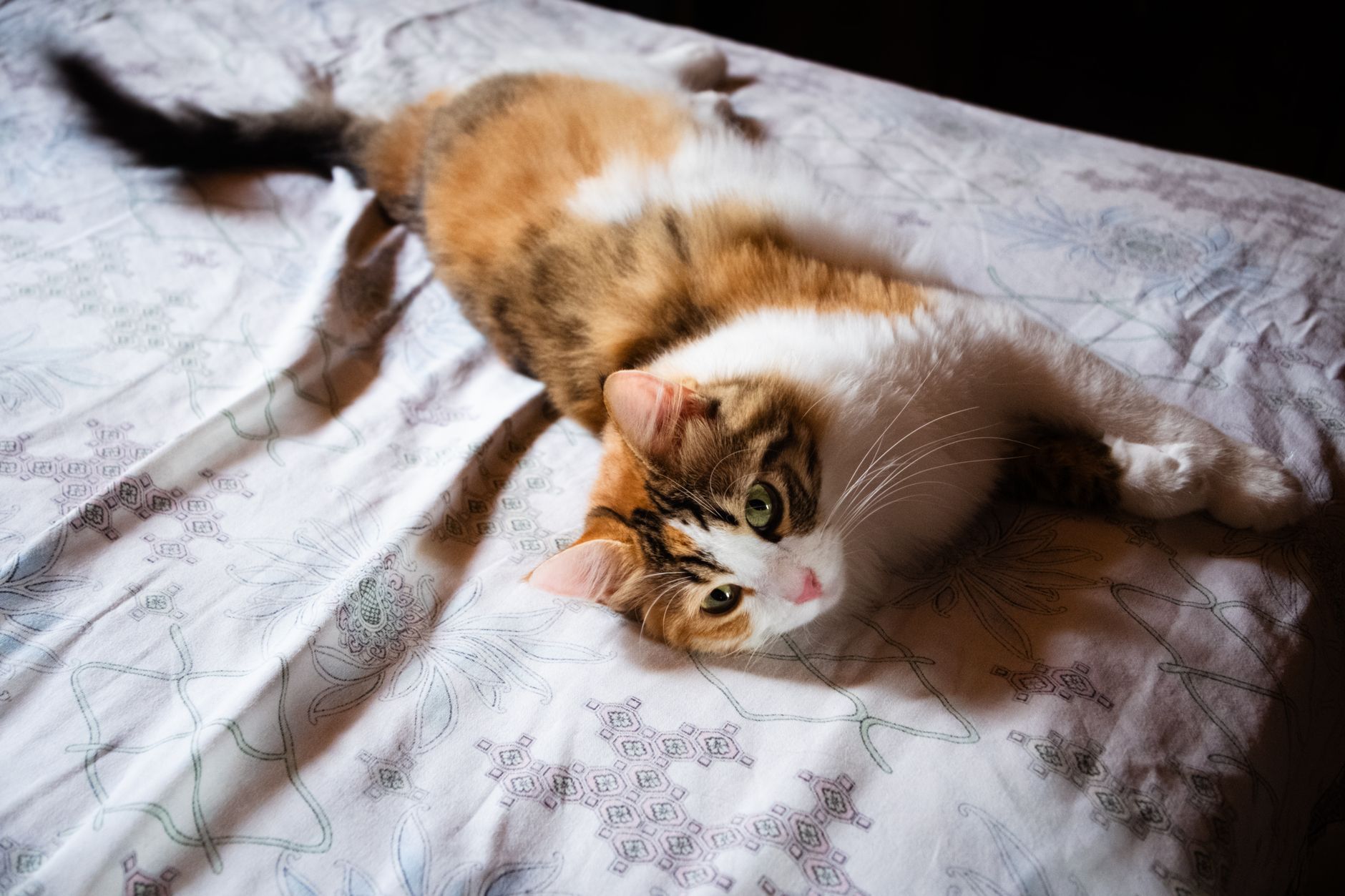
Key Takeaways
- •The distinctive orange coat in felines is primarily determined by the <em>O</em> gene, located on the X-chromosome.
- •Male cats can only be solid orange or non-orange, whereas females, due to two X chromosomes, can exhibit mosaic patterns like calico or tortoiseshell.
- •X-chromosome inactivation (Lyonization) is the fundamental biological mechanism that creates the patchy fur distribution in heterozygous female cats.
- •The 60-year quest refers to the protracted scientific effort to fully map and understand the molecular genetics and inheritance patterns of this unique trait.
Technical Specifications & Data
| Gene Locus Identifier | <em>O</em> (Orange Locus) |
| Primary Chromosomal Location | Feline X-chromosome |
| Key Alleles | O (dominant, expresses pheomelanin), o (recessive, allows eumelanin) |
| Pigment Pathway Modulated | Eumelanin synthesis suppressed, leading to pheomelanin expression |
| Core Mechanism for Mosaicism | X-chromosome inactivation (Lyonization) |
| Typical Male Genotype / Phenotype | X<sup>O</sup>Y (Orange), X<sup>o</sup>Y (Non-Orange/Black/Brown) |
| Typical Female Genotype / Phenotype | X<sup>O</sup>X<sup>O</sup> (Orange), X<sup>o</sup>X<sup>o</sup> (Non-Orange), X<sup>O</sup>X<sup>o</sup> (Calico/Tortoiseshell) |
| Associated Signaling Pathways | Melanocortin 1 Receptor (MC1R) pathway (indirect regulatory influence) |
| Initial Hypothesis (X-Linkage) | Mid-20th Century (e.g., Murray, Little, 1940s-1950s) |
| Molecular Mapping & Confirmation | Late 20th Century (e.g., Lyons & O'Brien, 1990s-2000s) |
Technical Architecture Overview: The Genetic Blueprint of Feline Orange Coats
The captivating mystery behind the orange cat's coat color, a phenomenon observed and pondered for decades, has finally been demystified through extensive genetic research. Far from a simple dominant-recessive gene interaction, the 'orange' trait in felines is a prime example of a complex, X-linked inheritance pattern, intricately tied to a specific locus on the X-chromosome.
At the core of this genetic blueprint lies the O gene, also known as the orange locus. This gene exists in two primary allelic forms: O (capital O) and o (lowercase o). The O allele is responsible for producing pheomelanin, the pigment that gives fur its red, orange, or yellow hues. Conversely, the o allele allows for the expression of eumelanin, which results in black, brown, or gray fur. It's crucial to understand that the O allele doesn't necessarily 'create' orange pigment; rather, it acts as a modifier, suppressing the production of eumelanin and allowing pheomelanin expression at a cellular level where it is present.
Because the O gene is located on the X-chromosome, its inheritance patterns vary significantly between male and female cats. Males, possessing one X and one Y chromosome (XY), can only inherit a single allele for the orange gene. Thus, a male cat with the genotype XOY will be orange, while a male with XoY will be non-orange (black, brown, or grey, depending on other modifying genes). This explains why solid orange males are quite common, but multi-colored male cats (like calicos or tortoiseshells) are exceptionally rare, often occurring due to genetic anomalies like Klinefelter syndrome (XXY).
Females, however, possess two X chromosomes (XX), allowing for three possible genotypes: XOXO, XoXo, and XOXo. A female with XOXO will be entirely orange, while an XoXo female will be non-orange. The most intriguing scenario arises with the heterozygous XOXo genotype, which leads to the iconic calico or tortoiseshell patterns. This mosaic expression is the direct result of a fascinating biological process known as X-chromosome inactivation, a fundamental epigenetic mechanism that took decades to fully elucidate.
Understanding this X-linked inheritance is the foundational 'technical specification' for orange coat color. It sets the stage for appreciating the subsequent molecular and cellular mechanisms that paint the complex patterns seen in these beloved felines. The interaction of the O gene with other loci, such as the Agouti gene (which determines banding patterns in individual hairs), further refines the final coat appearance, creating the vast diversity of feline fur colors and patterns observed globally.
Deep-Dive Systems & Performance Benchmarks: Unpacking X-Inactivation and Phenotypic Expression
The 'performance benchmarks' of orange cat genetics are best understood by delving into the intricate cellular machinery that governs gene expression, particularly the system of X-chromosome inactivation (XCI). This process, also known as Lyonization after Mary Lyon's pioneering work in the 1960s, is the key to the patchy, mosaic appearance of calico and tortoiseshell cats. In female mammals, one of the two X chromosomes in each somatic cell is randomly inactivated early in embryonic development. This inactivation is permanent and clonal, meaning all daughter cells derived from that initial cell will have the same X chromosome inactivated.
Consider a heterozygous female cat with the genotype XOXo. In some cells, the X chromosome carrying the O allele will be inactivated, leaving the o allele active and leading to the production of eumelanin (black/brown pigment). In other cells, the X chromosome carrying the o allele will be inactivated, allowing the O allele to express pheomelanin (orange pigment). Because this inactivation occurs randomly and independently in different progenitor cells during development, the resulting fur pattern is a mosaic of patches of orange and non-orange fur. The size and distribution of these patches are largely stochastic, a 'benchmark' of developmental randomness, resulting in the unique pattern of each calico or tortoiseshell cat.
At the molecular level, the O allele's mechanism involves a shift in the melanogenesis pathway. While the precise molecular signaling cascade is complex and involves interaction with other genes like MC1R (melanocortin 1 receptor) and ASIP (agouti signaling protein), the O allele is understood to direct melanocytes (pigment-producing cells) to synthesize pheomelanin instead of eumelanin. This switch is not a simple 'on/off' but a finely tuned regulatory process. Research over the decades has utilized advanced techniques such as genetic mapping via microsatellite markers, fluorescence in situ hybridization (FISH) to localize the gene, and later, whole-genome sequencing (WGS) and transcriptomics to identify specific gene sequences and their regulatory elements responsible for this conversion.
The '60-year search' reflects the evolution of genetic research methodologies. Early studies relied heavily on pedigree analysis and phenotypic observation, inferring X-linkage from statistical probabilities of coat color inheritance in offspring. As molecular biology advanced, researchers moved to more direct genetic approaches. Benchmarks in this research timeline include the definitive mapping of the orange locus to the feline X chromosome in the late 20th century, followed by the identification of specific molecular markers and candidate genes in the early 21st century. The comprehensive understanding now available integrates classical Mendelian genetics with modern molecular biology, presenting a robust 'system architecture' for feline coat color genetics that is a triumph of scientific persistence and technological advancement.
Why This Matters & Industry Impact: Broader Implications of Feline Coat Color Genetics
The decades-long quest to understand the orange cat's genetic secrets extends far beyond mere curiosity about feline aesthetics; it holds significant implications for various scientific fields. Firstly, the feline model, particularly regarding X-linked traits like coat color, has proven invaluable for understanding fundamental principles of mammalian genetics. The clarity with which X-inactivation manifests in calico and tortoiseshell cats makes them an ideal living textbook for epigenetics, sex-linked inheritance, and developmental biology. This visible manifestation of gene expression helps researchers study the mechanisms by which one X chromosome is silenced, offering insights into dosage compensation across mammalian species.
The deep-dive into the O gene and its interactions provides a robust framework for comparative genomics. By understanding the specific genes and pathways involved in feline coat color, scientists can draw parallels to similar pigmentation genes in other mammals, including humans. This contributes to a broader understanding of evolutionary biology and how diverse phenotypes arise from conserved genetic mechanisms. Such research can also illuminate genetic markers for other traits or even predispositions to certain health conditions, although the orange gene itself is not directly linked to feline diseases.
In veterinary science and animal breeding, this detailed genetic knowledge is crucial. Breeders can more accurately predict coat color outcomes in litters, which is important for breeds where specific color patterns are desired or undesirable. For veterinarians, understanding X-linked traits is foundational for diagnosing and counseling owners about other X-linked genetic disorders that cats might face. The rarity of male calico cats, for instance, serves as a known indicator for potential genetic abnormalities like Klinefelter syndrome (XXY), which can have associated health issues such as sterility and behavioral differences.
Finally, the popularization of this scientific understanding has an important societal impact. It dispels myths and misconceptions about cat coat colors and gender, fostering a greater public appreciation for the complexities of biology and genetics. Educational outreach leveraging the familiar image of the calico cat makes abstract genetic concepts, like X-inactivation, accessible and engaging to a wider audience. This 'information gain' empowers cat owners and enthusiasts with a deeper understanding of their companions, reinforcing the role of scientific inquiry in enriching our everyday lives and highlighting the significant progress made over 60 years in unraveling nature's intricate codes.
Explore advanced feline genetic testing kits to understand your cat's unique traits and health predispositions.
Chronological Timeline
Early geneticists (e.g., Murray, Little) observe and hypothesize X-linked inheritance patterns for orange coat color in cats based on pedigree analysis.
Dr. Mary Lyon proposes the X-inactivation hypothesis (Lyon Hypothesis), providing the crucial cellular mechanism explaining mosaicism in female mammals, directly applicable to calico/tortoiseshell cats.
Advances in molecular genetics allow researchers to precisely map the orange locus to a specific region on the feline X chromosome using genetic markers and linkage studies.
Continued molecular sequencing and functional genomics efforts identify candidate genes and regulatory elements within the orange locus, solidifying the understanding of its role in pigment switching.
Frequently Asked Questions
Why are almost all calico and tortoiseshell cats female?
Can male orange cats be calico or tortoiseshell?
Does the orange gene affect a cat's personality or health?
Daily Specs Editorial Staff
Lead Technical Analyst & Hardware Researcher
The Daily Specs editorial staff compiles, benchmarks, and verifies emerging technical specifications directly from system architecture manuals, hardware datasheets, and open-source codebases to deliver high-gain technical intelligence.