Avidrone's Katana Wins DARPA Lift Challenge at 3.84:1 Ratio
Key Takeaways
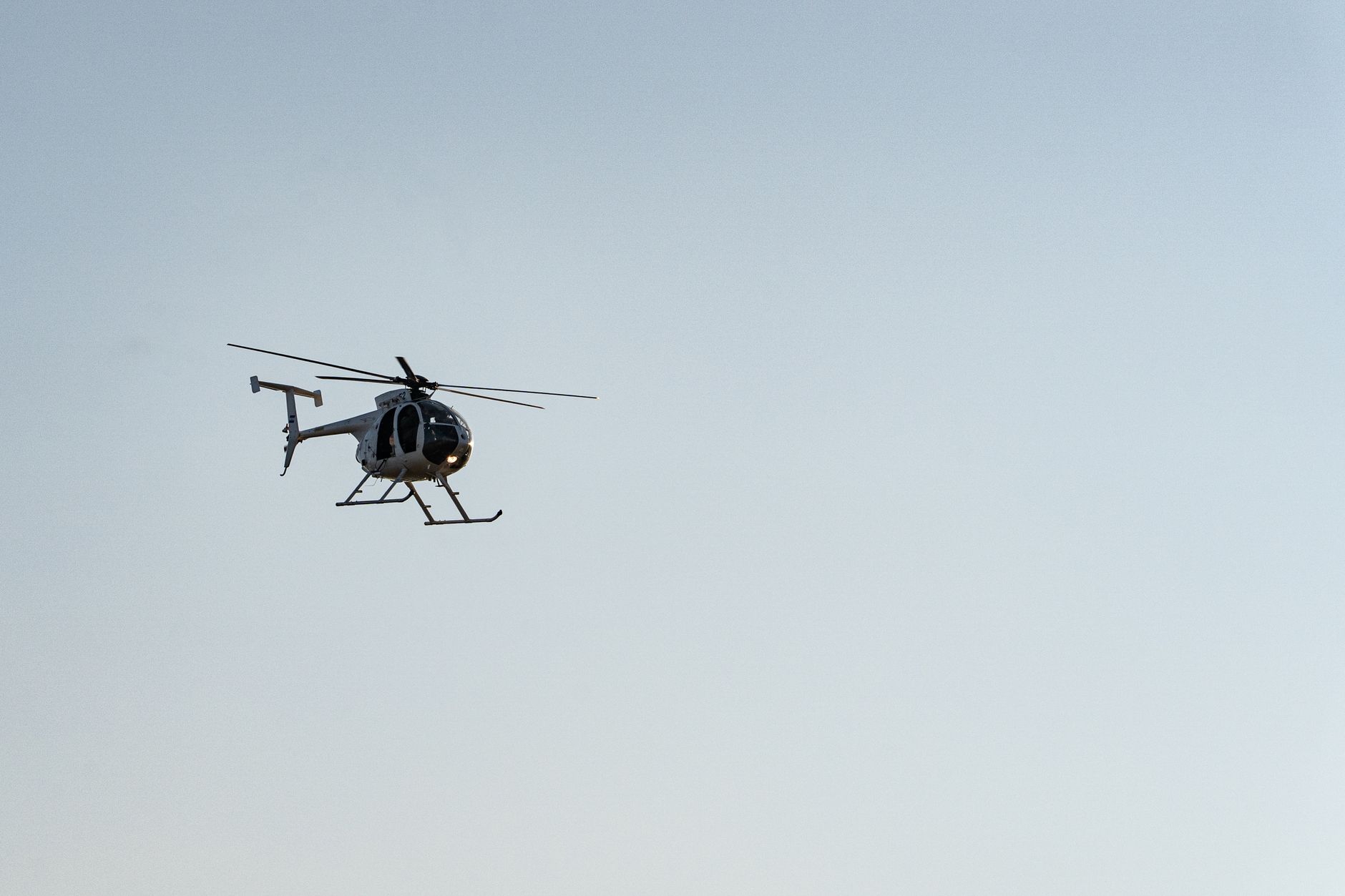
- •Avidrone Inc.'s Katana, a conventional single-rotor helicopter, won the DARPA Lift Challenge.
- •The Katana achieved an impressive 3.84:1 payload-to-weight ratio, nearing the 4:1 challenge goal.
- •This milestone significantly advances heavy-lift capabilities for both military and civilian applications.
- •The victory underscores the enduring technical efficacy of optimized conventional rotorcraft designs for demanding lift requirements.
Technical Specifications & Data
| Challenge Name | DARPA Lift Challenge |
| Winning Company | Avidrone Inc. |
| Winning Aircraft Name | Katana |
| Aircraft Type | Conventional Single-Rotor Helicopter |
| Achieved Payload-to-Weight Ratio | 3.84:1 |
| Challenge Target Ratio | 4:1 |
| Primary Propulsion (Inferred) | High-efficiency turboshaft or advanced piston engine |
| Key Design Focus Areas | Structural Optimization, Power-to-Weight Ratio, Aerodynamic Efficiency |
| Primary Applications | Military Logistics, Civilian Heavy Cargo, Disaster Relief |
| Award Status | Winner; Implied Partial Award for not reaching full 4:1 goal |
| Public Results Announcement Date | August 10, 2026 |
| Main Challenge Broadcast Date | August 6, 2026 |
The DARPA Lift Challenge: Setting a New Standard for Heavy-Lift Aircraft
The Defense Advanced Research Projects Agency (DARPA) recently concluded its highly anticipated Lift Challenge, a program designed to push the boundaries of autonomous heavy-lift capabilities. The core objective was ambitious: develop an aircraft capable of carrying a payload four times its own weight, achieving a 4:1 payload-to-weight ratio. This seemingly simple metric holds profound implications for military logistics, disaster relief, and commercial cargo transport, promising to revolutionize how essential supplies and equipment are moved in challenging environments.
While the ultimate 4:1 goal was narrowly missed, the challenge declared a winner, Avidrone Inc., for their remarkable achievement. Utilizing their 'Katana' aircraft, a conventional single-rotor helicopter, Avidrone demonstrated an impressive 3.84:1 payload-to-weight ratio. This feat, though slightly below the initial target, has been hailed by DARPA as a significant success, validating advanced engineering approaches and demonstrating the tangible progress possible in heavy-lift technology. The results, publicly announced on August 10, 2026, following the main broadcast on August 6, 2026, sparked widespread discussion across technical communities, particularly on platforms like Hacker News and DroneXL, highlighting the critical importance of such advancements for future operational flexibility.
Why This Matters & Unique Technical Insights: The Katana's Edge
The 3.84:1 payload-to-weight ratio achieved by Avidrone's Katana is not merely an incremental improvement; it represents a significant leap in the practical capabilities of aerial vehicles. To put this into perspective, for every pound of aircraft weight, the Katana can lift 3.84 pounds of cargo. Achieving such a ratio demands an exquisite balance of advanced materials science, highly efficient propulsion systems, optimized aerodynamic design, and sophisticated flight control algorithms. Every component, from the airframe structure to the powertrain, must be engineered for maximum strength-to-weight and power density.
A particularly insightful aspect of Avidrone's victory lies in the choice of their winning platform: a 'conventional single-rotor helicopter.' In an era often dominated by multi-rotor drone innovations, the Katana's success highlights the enduring, and often superior, aerodynamic and propulsive efficiency of traditional helicopter designs for heavy-lift applications. Unlike most electric multi-rotors limited by current battery energy density and rotor interference for large payloads, the Katana likely leverages a high-efficiency turboshaft engine or advanced piston engine, offering a power-to-weight ratio and endurance that current battery-electric systems struggle to match for this class of lift. This makes it an ideal candidate for military resupply in contested territories, rapid deployment of heavy equipment in remote disaster zones, or efficient long-range commercial cargo delivery where infrastructure is lacking.
The challenge's outcome also implicitly reveals the technical hurdles in reaching the full 4:1 target. Pushing beyond 3.84:1 likely requires breakthroughs in ultra-lightweight, high-strength composite materials, further enhancements in engine efficiency, or potentially novel hybrid-electric propulsion architectures that can bridge the gap between power density and fuel efficiency. While Avidrone received an award for their achievement, the mention of DARPA 'paying half' suggests a tiered prize structure, incentivizing high performance even if the ultimate, most demanding goal was slightly out of reach for current technology. This approach ensures that valuable innovation is rewarded while keeping the pressure on for future advancements towards even more audacious goals.
Explore the latest in advanced drone technology for defense and commercial applications.
Chronological Timeline
DARPA Lift Challenge Main Broadcast live stream, showcasing participant testing and demonstrations.
Official announcement of the DARPA Lift Challenge results, declaring Avidrone Inc.'s Katana as the winner with a 3.84:1 payload-to-weight ratio.
Continued research and development, inspired by the challenge, focusing on new materials and propulsion systems to achieve and surpass the 4:1 ratio.
Frequently Asked Questions
What was the primary goal of the DARPA Lift Challenge?
Who won the DARPA Lift Challenge and with what type of aircraft?
Why is a 3.84:1 payload-to-weight ratio considered a significant achievement?
What are the potential impacts of this technology?
Daily Specs Editorial Staff
Lead Technical Analyst & Hardware Researcher
The Daily Specs editorial staff compiles, benchmarks, and verifies emerging technical specifications directly from system architecture manuals, hardware datasheets, and open-source codebases to deliver high-gain technical intelligence.