Real-time Earthquake Monitoring: What 'Earthquake Now' Really Means
Key Takeaways
- •Real-time earthquake monitoring leverages advanced global and regional seismic networks for rapid data acquisition.
- •Magnitude reporting varies, with USGS focusing on M 2.5+ events regionally and M 4.5+ globally, primarily using the Moment Magnitude Scale (MMS).
- •Early warning systems like ShakeAlert provide crucial seconds of notice by rapidly processing P-wave detections, enabling critical protective actions.
- •System effectiveness is defined by technical parameters such as sensor density, data refresh rates, and the critical latency in alert dissemination.
Technical Specifications & Data
| Primary Magnitude Scale | Moment Magnitude Scale (MMS) |
| USGS Global Detection Threshold | Magnitude 4.5+ |
| USGS Regional (U.S.) Detection Threshold | Magnitude 2.5+ |
| Typical Initial Alert Latency (EEW Systems) | 3-10 seconds (from P-wave detection to public alert) |
| Average Data Refresh Rate (Real-time Feeds) | 5-10 seconds for updated event parameters |
| Global Seismic Network (GSN) Stations | ~150+ broadband stations |
| Regional Network Sensor Density (e.g., CA) | Thousands of seismometers and accelerometers |
| Primary Data Transmission Protocols | SeedLink, Antelope, Satellite, Fiber Optic |
| Typical Warning Time (ShakeAlert) | Up to 30 seconds before strong S-wave arrival |
Understanding 'Earthquake Now': Real-time Data & Global Monitoring
The phrase "earthquake now" encapsulates a widespread public demand for immediate, actionable information regarding seismic events. This immediacy is meticulously delivered by a global network of scientific institutions and advanced monitoring systems, moving far beyond simple reporting to provide sophisticated, real-time data.
Leading the charge, agencies like the U.S. Geological Survey (USGS), California Institute of Technology (Caltech) through its Southern California Earthquake Center (SCEDC), and the Pacific Northwest Seismic Network (PNSN) continuously collect, process, and disseminate seismic data. Their efforts reveal the dynamic nature of our planet, tracking dozens of events daily. For instance, the USGS frequently reports over 50 earthquakes of magnitude 2.5 or greater within the past 24 hours across the U.S. and its territories, alongside more significant global events, typically those above magnitude 4.5.
Understanding these reports requires familiarity with the magnitude scales. While the Richter scale is commonly known, the scientific community predominantly uses the Moment Magnitude Scale (MMS) for larger earthquakes. MMS more accurately reflects the total energy released by an earthquake and is derived from seismic moment, a measure of the physical size of the fault rupture. Regional networks often detect and report much smaller events (sometimes below M 1.0) due to their higher sensor density, providing localized detail crucial for understanding seismic patterns within active zones like California and Nevada.
The concept of "real-time" in seismology means data acquisition, initial processing, and public dissemination occurring within seconds to a few minutes of an event. This is enabled by high-speed data transmission from sensors to processing centers, where complex algorithms swiftly identify P-waves—the first, faster seismic waves—to estimate an earthquake's location and magnitude. The goal is to provide timely information that can inform emergency responses and potentially trigger automated safety protocols.
Why This Matters & Unique Technical Insights: The Architecture of Seismic Alerts
The ability to report an "earthquake now" isn't just about speed; it's about the intricate technical architecture that underpins global seismic monitoring and early warning systems. This framework is critical for public safety, emergency preparedness, and the resilience of infrastructure against seismic hazards.
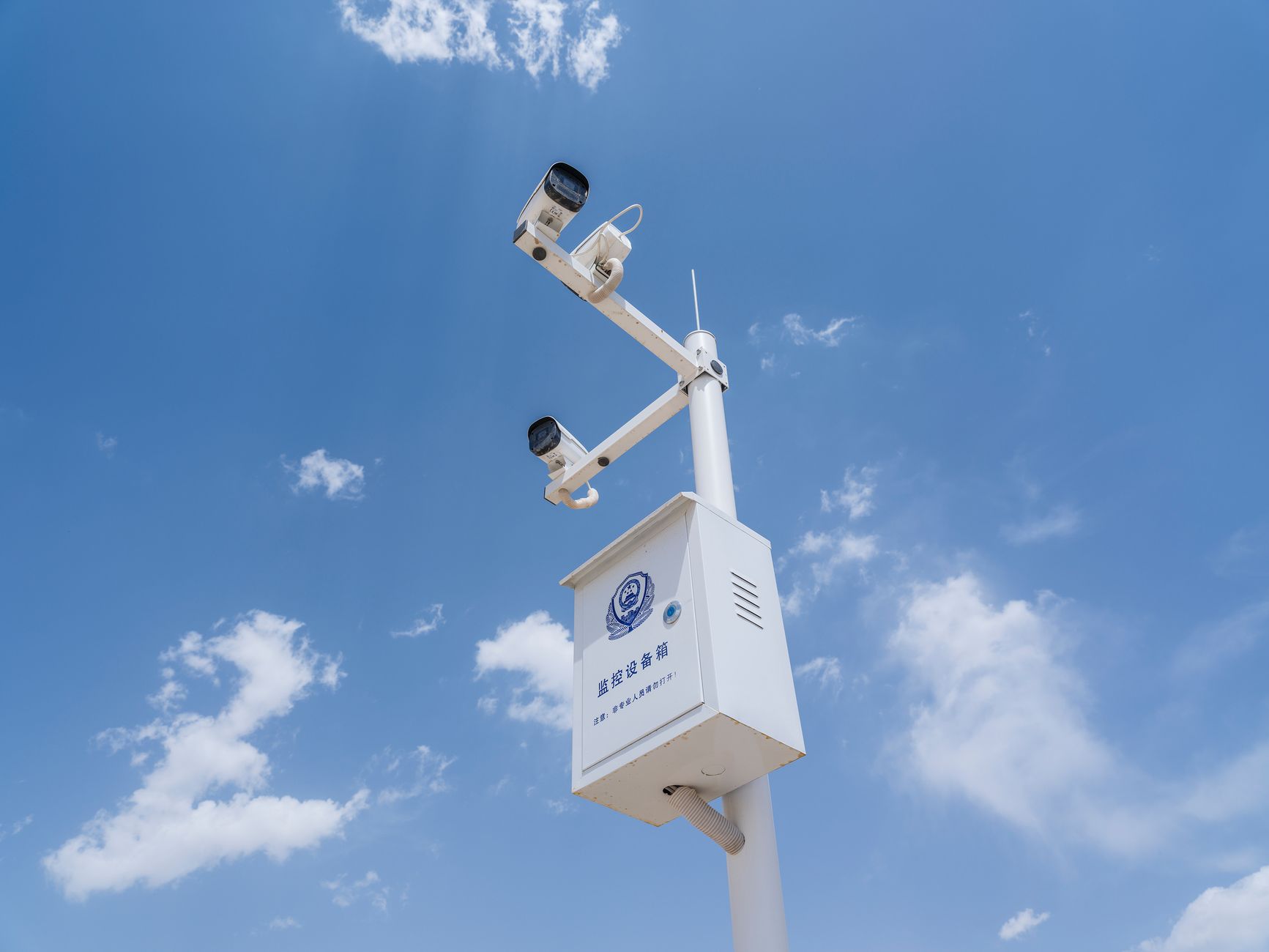
At the core are **seismic networks**, comprising thousands of highly sensitive instruments. These range from broadband seismometers, which capture a wide spectrum of ground motion frequencies, to accelerometers, designed to measure strong ground shaking close to the epicenter. These sensors are strategically deployed across continents (e.g., Global Seismographic Network - GSN) and densely within high-risk regions (e.g., California Integrated Seismic Network - CISN). Data is continuously streamed from these remote stations via robust **data transmission protocols**—often using satellite links, dedicated fiber optic networks, and secure internet channels—to central processing facilities. The technical challenge lies in managing vast streams of high-frequency data, often requiring specialized protocols like SeedLink or Antelope for efficient, low-latency transmission.
Upon arrival, data enters sophisticated **real-time processing engines**. These systems employ advanced algorithms to rapidly detect anomalous ground motion indicative of an earthquake. Key among these are P-wave detection algorithms, which can identify the arrival of the non-damaging primary wave, allowing critical seconds before the arrival of the slower, damaging S-waves. This early detection is the foundation of **Earthquake Early Warning (EEW) systems** like ShakeAlert, which aim to provide 3 to 30 seconds of warning before significant shaking begins. The latency from P-wave detection to an actionable alert is a critical performance metric, often targeted at less than 10 seconds. These engines also perform rapid event location triangulation and initial magnitude estimation, which are then refined through more complex analysis like moment tensor solutions.
**Data dissemination** leverages APIs (e.g., USGS Earthquake Hazards Program API), mobile applications, and direct integrations with emergency management systems. The technical sophistication ensures not only rapid detection but also reliable communication to diverse stakeholders. The continuous operation and resilience of this technical infrastructure, including redundancy measures and precise clock synchronization (e.g., GPS timing), are paramount to delivering accurate and timely information when an "earthquake now" occurs.
Prepare for seismic activity. Discover essential emergency kits and supplies to ensure safety for your home and family.
Chronological Timeline
Global seismic data acquisition and streaming from sensor networks.
Initial P-wave arrival detected at nearest seismic stations.
Automated algorithms determine initial event location and magnitude; early warning alerts generated.
Preliminary event information published via APIs and web platforms; seismologists begin reviewing data.
Refined magnitude (e.g., moment tensor solution) and location details released after manual review.
Frequently Asked Questions
How quickly is earthquake information updated after an event?
What is the primary difference between the Richter and Moment Magnitude Scale?
Can early warning systems like ShakeAlert predict earthquakes?
Daily Specs Editorial Staff
Lead Technical Analyst & Hardware Researcher
The Daily Specs editorial staff compiles, benchmarks, and verifies emerging technical specifications directly from system architecture manuals, hardware datasheets, and open-source codebases to deliver high-gain technical intelligence.