Itadakimasu: Unpacking Japan's Deep Mealtime Gratitude
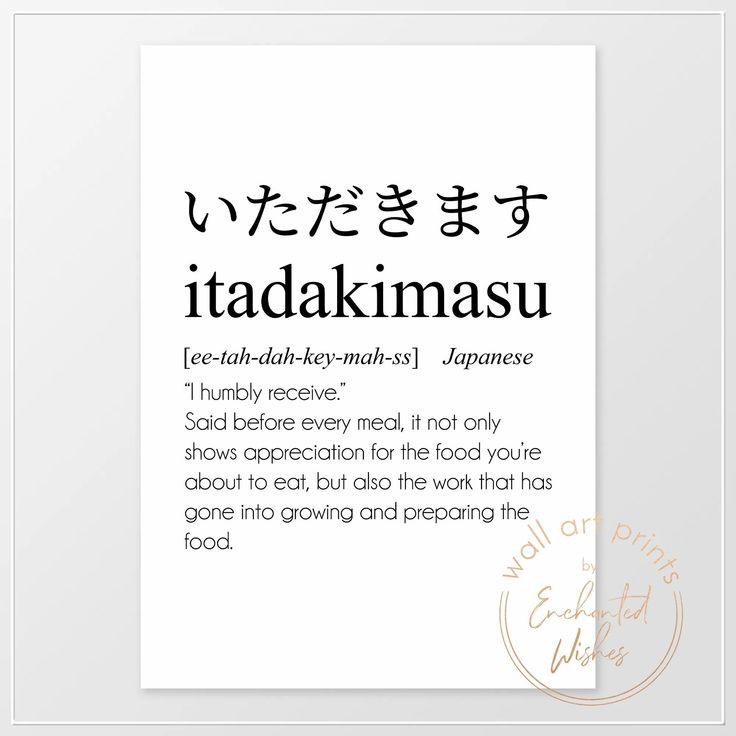
Key Takeaways
- •Itadakimasu expresses gratitude to all life forms that contribute to a meal, not merely the cook's efforts.
- •Its etymology from 'いただく' (itadaku) signifies humbly receiving and accepting life, reflecting deep spiritual roots.
- •The phrase fosters mindfulness about consumption, promoting awareness of the interconnectedness of food ecosystems.
- •It embodies a core Japanese cultural value: profound appreciation for the sacrifices made to sustain human life.
Technical Specifications & Data
| Phrase | Itadakimasu |
| Direct Translation (Etymological) | 'I humbly receive / accept' |
| Implied Meaning | Gratitude for the life given to sustain me |
| Primary Recipient of Gratitude | The food itself, nature, life forms, and all contributors (farmers, etc.) |
| Cultural Origin | Buddhist teachings, Shinto animism |
| Usage Context | Before consuming a meal |
| Contrast: Gochisousama Deshita | Expressed *after* a meal, specifically thanking the host/cook for the feast |
| Contrast: Bon Appétit | Expressed *to the diner*, wishing them enjoyment of their meal |
Beyond a Simple 'Thank You': The Etymology and Philosophy of Itadakimasu
The Japanese phrase 'Itadakimasu' is frequently mistranslated or misunderstood in Western contexts, often simplified to 'let's eat' or a polite 'thank you' directed solely at the person who prepared the meal. However, its true meaning delves far deeper, embodying a profound philosophy of gratitude that extends beyond the immediate act of cooking. The word derives from the verb 'いただく' (itadaku), which means 'to receive' or 'to humbly accept.' Historically, it also referred to the act of placing something revered on one's head, symbolizing utmost respect and humility in receiving a gift.
In the context of a meal, 'Itadakimasu' is an expression of gratitude to all living beings – plants and animals – that have given their lives to become the food on the table. It acknowledges the entire chain of existence, from the sun and rain nurturing crops to the farmers, fishers, and transporters whose labor brought the ingredients together. This deep acknowledgment resonates with both Shinto animistic beliefs, where spirits dwell in all things, and Buddhist principles regarding the sanctity of life and the ethical implications of consuming other beings to sustain oneself. It's not just a social convention; it's a daily ritual reminding individuals of their place within a vast, interconnected ecosystem, fostering a sense of humility and responsibility.
Why This Matters & Unique Technical Insights
Understanding 'Itadakimasu' through a lens of 'information gain' and technical insight reveals its function as a sophisticated cultural algorithm that reinforces specific societal values. Linguistically, it acts as a performative utterance, not merely describing an action but enacting a state of gratitude and mindfulness. Unlike phrases such as 'bon appétit,' which focus on the diner's enjoyment, or a direct 'thank you' to a chef (which in Japanese would be 'Gochisousama Deshita' *after* the meal), 'Itadakimasu' redirects gratitude universally. This distinction is a critical 'technical specification' of Japanese communication – precision in the *recipient* of thanks.
From a cultural systems perspective, this daily ritual serves as a constant feedback loop. By articulating 'Itadakimasu' before every meal, individuals are continually exposed to and reinforce the core values of humility, interconnectedness, and respect for life. This 'programming' of gratitude can have tangible impacts, from fostering a reduced tendency for food waste (as one is consuming 'life' itself) to promoting a more sustainable relationship with nature. The phrase is a microcosm of Japanese society's emphasis on harmony, respect for resources, and the acknowledgement of unseen efforts that contribute to daily sustenance. Its persistent use, even amidst globalization, demonstrates its robustness as a cultural construct and its profound utility in maintaining societal coherence around shared ethical principles.
Cultural Integration and Modern Relevance: Practicing Itadakimasu Today
The practice of saying 'Itadakimasu' remains deeply ingrained in Japanese society, observed in homes, schools, and even many public dining establishments. Children are taught from a young age to put their hands together and articulate the phrase before eating, reinforcing its importance as a fundamental aspect of mealtime etiquette. This consistent integration across various social spheres ensures its enduring legacy and transmission across generations. It's more than just politeness; it's a moment of reflection, a pause to acknowledge the sustenance received.
In contemporary Japan, where global influences are prevalent, 'Itadakimasu' serves as a powerful anchor to traditional values. It subtly encourages mindfulness in an increasingly fast-paced world, prompting individuals to slow down and appreciate their food rather than merely consuming it. This appreciation extends to the concept of 'mottainai' – a sense of regret concerning waste – which is intrinsically linked to valuing the resources and efforts that went into producing food. As the world grapples with food security and environmental challenges, the philosophy embedded within 'Itadakimasu' offers a timely lesson in responsible consumption and profound respect for the natural world and human labor.
Deepen your appreciation for Japanese culture: explore language learning resources and authentic culinary experiences today!
Chronological Timeline
Concepts of humbly 'receiving life' through sustenance emerge, influenced by the introduction of Buddhism and existing Shinto beliefs.
The ritual of saying 'Itadakimasu' before meals becomes more standardized and widely adopted as a common cultural practice.
The phrase continues to be a fundamental part of Japanese etiquette, taught from childhood and reinforced in daily life, gaining international recognition for its unique meaning.
Frequently Asked Questions
Is Itadakimasu always said before eating?
Can I say Itadakimasu to a Japanese chef directly?
Does Itadakimasu have religious origins?
Daily Specs Editorial Staff
Lead Technical Analyst & Hardware Researcher
The Daily Specs editorial staff compiles, benchmarks, and verifies emerging technical specifications directly from system architecture manuals, hardware datasheets, and open-source codebases to deliver high-gain technical intelligence.