Cargo Plane Cockpit Warnings: Avionics & Safety Systems
Key Takeaways
- •Modern cargo aircraft rely on sophisticated, integrated avionics suites like EICAS/ECAM for comprehensive warning detection and display.
- •Warning systems prioritize alerts based on criticality, employing sophisticated logic to prevent information overload and guide pilot response.
- •Redundancy, self-monitoring, and robust data bus architectures (e.g., ARINC 429) are fundamental to the reliability and integrity of these critical safety systems.
- •Continuous pilot training, adherence to certified maintenance protocols, and stringent software development standards (DO-178C) are vital for effective warning management and overall aviation safety.
Technical Specifications & Data
| Primary Alerting Systems | EICAS (Boeing), ECAM (Airbus) - Integrated Crew Alerting |
| Data Bus Standard (Core Avionics) | ARINC 429 (Unidirectional, Serial Digital Data Bus) |
| ARINC 429 Bus Speed | 12.5 kbit/s (Low Speed), 100 kbit/s (High Speed) |
| Software Certification Standard | DO-178C (Levels A-E, typically Level A for critical functions) |
| Critical Warning Latency (Target) | < 100 milliseconds (from event to display) |
| False Positive Rate (Target) | Extremely low; probability < 10^-7 per flight hour for critical systems |
| System Redundancy (Typical) | Dual or Triple Modular Redundancy (DMR/TMR) for critical components |
| Mean Time Between Failure (MTBF - Core Computers) | Exceeds 20,000-50,000 operating hours |
| Display Technology (Modern Aircraft) | LCD or OLED Flat Panel Displays (FPD) with high resolution |
| Integration with Predictive Maintenance | Yes, fault data contributes to prognostic health monitoring systems |
Technical Architecture Overview of Integrated Warning Systems
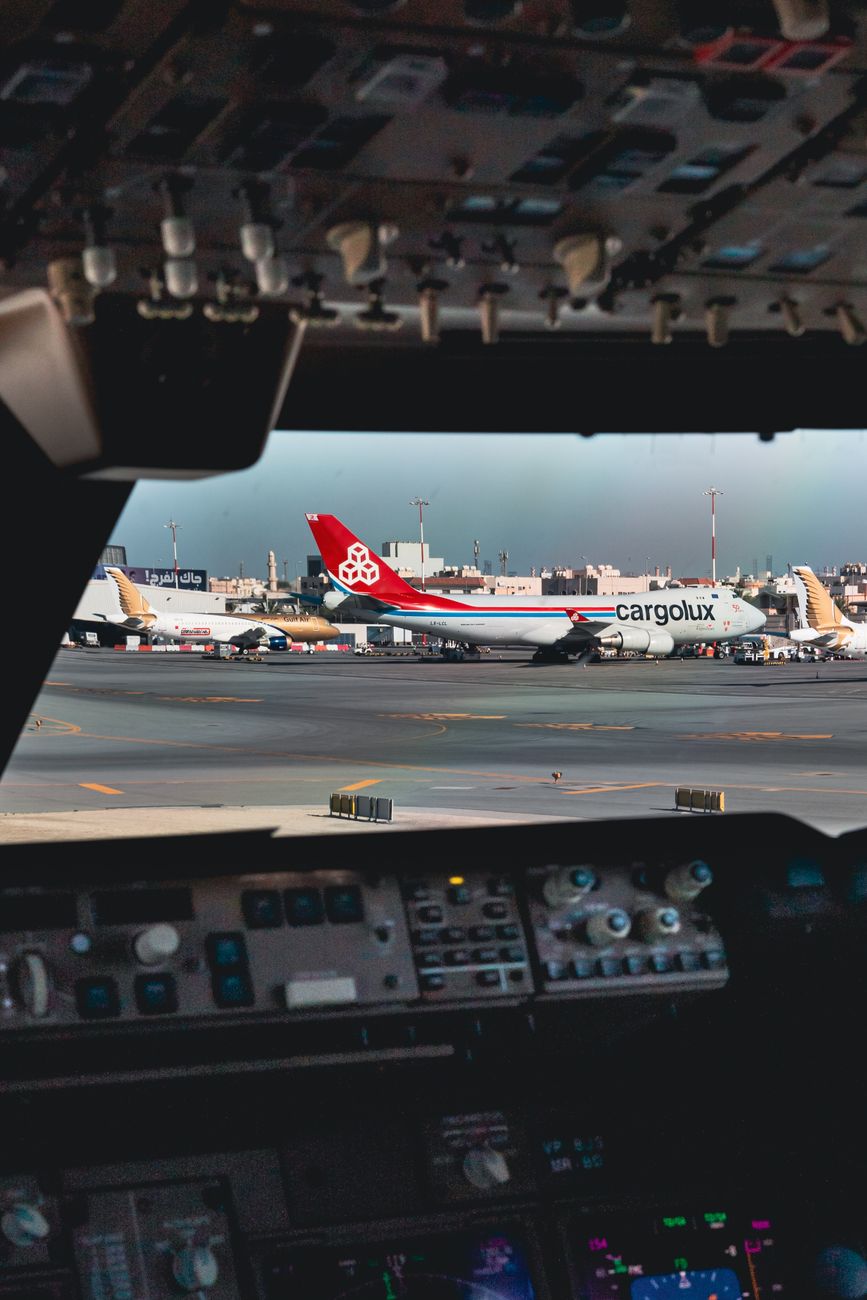
The modern cargo plane cockpit is a complex hub of integrated systems, with warning and alerting functions forming its core safety architecture. At the heart of this architecture are systems like EICAS (Engine Indicating and Crew Alerting System) found in Boeing aircraft, and ECAM (Electronic Centralized Aircraft Monitoring) prevalent in Airbus designs. These are not merely display units but sophisticated data aggregators and logic processors. Their primary function is to collect data from hundreds of sensors distributed across the aircraft – covering engines, flight controls, hydraulics, electrical systems, environmental controls, and more – and present critical information and alerts to the flight crew in a highly prioritized and digestible format.
EICAS and ECAM operate on a multi-layered approach. They receive raw sensor data, process it against predefined thresholds and operational limits, and then generate appropriate advisories, cautions, or warnings. The data exchange within these systems largely relies on standardized digital data buses, with ARINC 429 being a predominant protocol. This protocol defines the electrical characteristics and data format for avionics data transmission, ensuring reliable communication between various Line Replaceable Units (LRUs) such as Flight Management Systems (FMS), Air Data Computers (ADCs), and the EICAS/ECAM computers themselves. A typical ARINC 429 bus transmits data at speeds of 12.5 or 100 kbit/s, using a unidirectional, point-to-point architecture, which minimizes interference and simplifies troubleshooting.
The system's architecture also emphasizes redundancy. Critical sensors and processing units are often duplicated or triplicated, ensuring that a single point of failure does not incapacitate the warning system. For instance, an MD-11, a common cargo workhorse, employs multiple EICAS display units and redundant EICAS computers. These computers continually cross-check each other's outputs and sensor inputs. If a discrepancy is detected, the system logic immediately flags it, often triggering a maintenance message rather than a primary cockpit warning, allowing for proactive intervention. This layered defense mechanism, from sensor data acquisition to display logic, is fundamental to maintaining high levels of operational safety, especially when operating in demanding environments or during long-haul cargo flights where immediate and accurate information is paramount for crew decision-making.
Deep-Dive Systems & Performance Benchmarks in Avionics
Beyond the core EICAS/ECAM functions, modern cargo planes integrate specialized warning systems that address specific operational threats. These include GPWS (Ground Proximity Warning System) and its advanced iteration, EGPWS (Enhanced Ground Proximity Warning System), which use terrain databases and GPS data to predict potential ground collisions. Another crucial system is TCAS (Traffic Collision Avoidance System), which autonomously interrogates transponders of nearby aircraft to prevent mid-air collisions. These systems provide both visual and aural warnings, often with synthesized voice alerts like 'TERRAIN, PULL UP!' or 'TRAFFIC, TRAFFIC,' immediately grabbing the crew's attention.
The performance benchmarks for these systems are incredibly stringent. For instance, warning latency – the time from a hazardous condition occurring to its display in the cockpit – is measured in milliseconds. Critical warnings, such as engine fire or stall, must have a latency of less than 100ms. False positive rates are also meticulously minimized; a system that frequently generates erroneous warnings can lead to crew desensitization, a phenomenon known as 'cry wolf syndrome,' which is detrimental to safety. Certification standards, particularly DO-178C (Software Considerations in Airborne Systems and Equipment Certification), dictate the rigor of software development and testing, ensuring extremely low probabilities of software errors leading to catastrophic failure, often targeting probabilities less than 10^-9 per flight hour for critical functions.
Specific warning thresholds are often programmed with multiple levels: advisory (minor issue, for crew awareness), caution (requires prompt crew action, but not immediate hazard), and warning (immediate danger, requires urgent crew action). For example, a low oil pressure indication might first trigger an advisory, then a caution if pressure drops further, and finally a critical warning if it reaches a dangerous level. The aircraft's flight control computers (FCCs) and various system controllers continuously monitor parameters like engine RPM, oil pressure, hydraulic fluid levels, and electrical load. When any of these parameters exceed or fall below predefined operational envelopes, the EICAS/ECAM system is alerted, prioritizing the message based on a pre-programmed hierarchy. This hierarchical logic is critical to present only the most relevant information to the pilots, avoiding sensory overload during high-stress situations. The reliability of these complex integrated systems is measured by metrics like Mean Time Between Failure (MTBF), which for critical avionics components often exceeds tens of thousands of operating hours, reflecting robust design and manufacturing processes.
Why This Matters & Industry Impact on Aviation Safety
The effectiveness of cockpit warning systems is a cornerstone of modern aviation safety, directly impacting incident prevention and crew workload management. The ability of systems to accurately detect anomalies, prioritize threats, and present actionable information allows flight crews to make timely and informed decisions, often preventing minor technical issues from escalating into emergencies. The recent focus on incidents, such as a cargo plane making an unscheduled landing in Miami due to cockpit warnings, underscores the critical role these systems play in mitigating risks inherent in flight operations. Such events highlight not just the technology itself, but also the seamless interaction required between advanced avionics and highly trained human operators.
From an industry perspective, the development and maintenance of these systems represent a significant investment. Aircraft manufacturers continually iterate on avionics suites, driven by advancements in sensor technology, processing power, and user interface design. Regulatory bodies like the FAA (Federal Aviation Administration) in the U.S. and EASA (European Union Aviation Safety Agency) impose stringent certification requirements, ensuring that new systems meet rigorous safety and performance standards before they can be deployed. This regulatory oversight ensures uniformity and reliability across the global fleet. Moreover, the integration of new technologies, such as predictive maintenance algorithms that leverage warning data to anticipate component failures, is transforming how airlines manage their fleets, moving from reactive repairs to proactive interventions.
Beyond the hardware and software, the human element is paramount. Pilot training programs include extensive simulations focusing on emergency procedures and effective response to various cockpit warnings. This involves understanding the hierarchy of alerts, interpreting cryptic messages, and executing checklists under pressure. Maintenance technicians are also trained on complex diagnostic tools and procedures to troubleshoot and repair these integrated systems, often requiring specialized certifications. The economic impact of efficient warning systems is substantial; by preventing accidents and reducing unscheduled maintenance, airlines save billions annually. Ultimately, the continuous evolution and flawless operation of cargo plane cockpit warning systems are not just about compliance, but about safeguarding lives and valuable cargo, solidifying public trust in air travel, and upholding the impeccable safety record of modern aviation.
Chronological Timeline
Introduction of first-generation EICAS/ECAM systems (e.g., Boeing 767, Airbus A310), replacing traditional analog gauges with digital displays and centralized alerting.
Widespread adoption of Enhanced Ground Proximity Warning Systems (EGPWS) and Traffic Collision Avoidance Systems (TCAS II), significantly reducing controlled flight into terrain (CFIT) and mid-air collision risks.
Transition to glass cockpits with large format LCDs, improving information density and user interface design for warning presentation and management.
Integration of next-generation avionics suites with advanced prognostics, predictive maintenance capabilities, and cybersecurity enhancements for warning system integrity.
Frequently Asked Questions
What specifically triggers a cockpit warning in a cargo plane?
How do pilots differentiate between various types of warnings?
Are cockpit warning systems vulnerable to cyberattacks?
Daily Specs Editorial Staff
Lead Technical Analyst & Hardware Researcher
The Daily Specs editorial staff compiles, benchmarks, and verifies emerging technical specifications directly from system architecture manuals, hardware datasheets, and open-source codebases to deliver high-gain technical intelligence.