Pneumonic Plague: Pathogen, Protocols, & Public Health
Key Takeaways
- •Pneumonic plague is a severe respiratory infection caused by <em>Yersinia pestis</em>, primarily transmitted human-to-human via airborne droplets.
- •Rapid diagnosis and immediate antibiotic treatment (e.g., streptomycin, gentamicin) are paramount, reducing the nearly 100% untreated fatality rate to 5-15%.
- •The pathogen's key virulence factors, including the F1 capsule and Pla protease, are critical for evading host immunity and enabling rapid dissemination.
- •Effective public health responses, encompassing contact tracing, prophylactic treatment, and strict isolation, are essential to control outbreaks.
Technical Specifications & Data
| Causative Agent | <em>Yersinia pestis</em> (Gram-negative coccobacillus) |
| Primary Transmission Mode | Airborne droplets (human-to-human) |
| Typical Incubation Period | 1-3 days (range: 1-7 days) |
| Untreated Case Fatality Rate (CFR) | ~100% |
| Treated Case Fatality Rate (CFR) | 5-15% (with timely intervention) |
| First-Line Antibiotic (Adults) | Gentamicin (5-7 mg/kg/day IV/IM) OR Streptomycin (15 mg/kg IM BID) |
| Typical Treatment Duration | 10-14 days |
| Diagnostic Gold Standard | Bacterial Culture (sputum, blood, BAL) |
| Rapid Diagnostic Method | PCR (targeting <em>caf1, pla, irp2</em> genes), F1 Antigen Rapid Test |
| Key Virulence Factors | F1 capsule, Plasminogen activator (Pla), Yersinia Outer Proteins (YOPs) |
| Public Health Prophylaxis | Doxycycline (100 mg BID) or Ciprofloxacin (500 mg BID) for 7 days |
| Recommended PPE for Healthcare | N95 respirator, gloves, gown, eye protection |
Technical Architecture Overview: The Pathogen & Its Mechanism
Pneumonic plague represents the most virulent and contagious form of infection caused by the Gram-negative coccobacillus Yersinia pestis. This bacterium, a facultative intracellular pathogen, leverages a sophisticated array of virulence factors encoded on both its chromosome and three distinct plasmids (pPCP1, pCD1, pMT1) to evade host defenses and establish systemic infection. The primary mechanism for pneumonic plague's pathogenicity begins with the inhalation of infected respiratory droplets, allowing Y. pestis to directly colonize the lungs. Here, the bacterium confronts alveolar macrophages, circumventing phagocytosis and triggering an intense inflammatory response.
Key virulence factors orchestrate this process. The Fraction 1 (F1) capsule, encoded by pMT1, is a protein-carbohydrate complex that forms a robust anti-phagocytic layer around the bacterium, hindering uptake by immune cells. Simultaneously, the Plasminogen activator (Pla) protease, encoded by pPCP1, facilitates bacterial dissemination by degrading host fibrin clots and ECM proteins, promoting invasion of tissues and bloodstream. Furthermore, the Yersinia outer proteins (YOPs), delivered into host cells via a type III secretion system (T3SS) encoded by pCD1, are crucial effectors. These YOPs interfere with host cell signaling pathways, suppress immune cell activation, induce apoptosis in macrophages, and disrupt cytoskeletal integrity, effectively paralyzing the host's innate immune response. For instance, YopJ specifically inhibits MAPK and NF-κB signaling, preventing cytokine production.
From a technical perspective, the rapid growth kinetics of Y. pestis within lung tissues, coupled with its ability to induce a severe necrotizing pneumonia, quickly leads to respiratory failure and septic shock if untreated. The airborne transmission of pneumonic plague distinguishes it critically from its bubonic counterpart, as it allows for efficient human-to-human spread without vector involvement. This airborne characteristic significantly elevates its potential for rapid epidemic growth, necessitating immediate and robust public health interventions. Understanding these pathogen-host interaction mechanisms is foundational to developing effective diagnostic and therapeutic strategies, which rely on targeting these specific bacterial processes or mitigating their effects.
Deep-Dive Systems & Performance Benchmarks: Diagnostics & Treatment Protocols
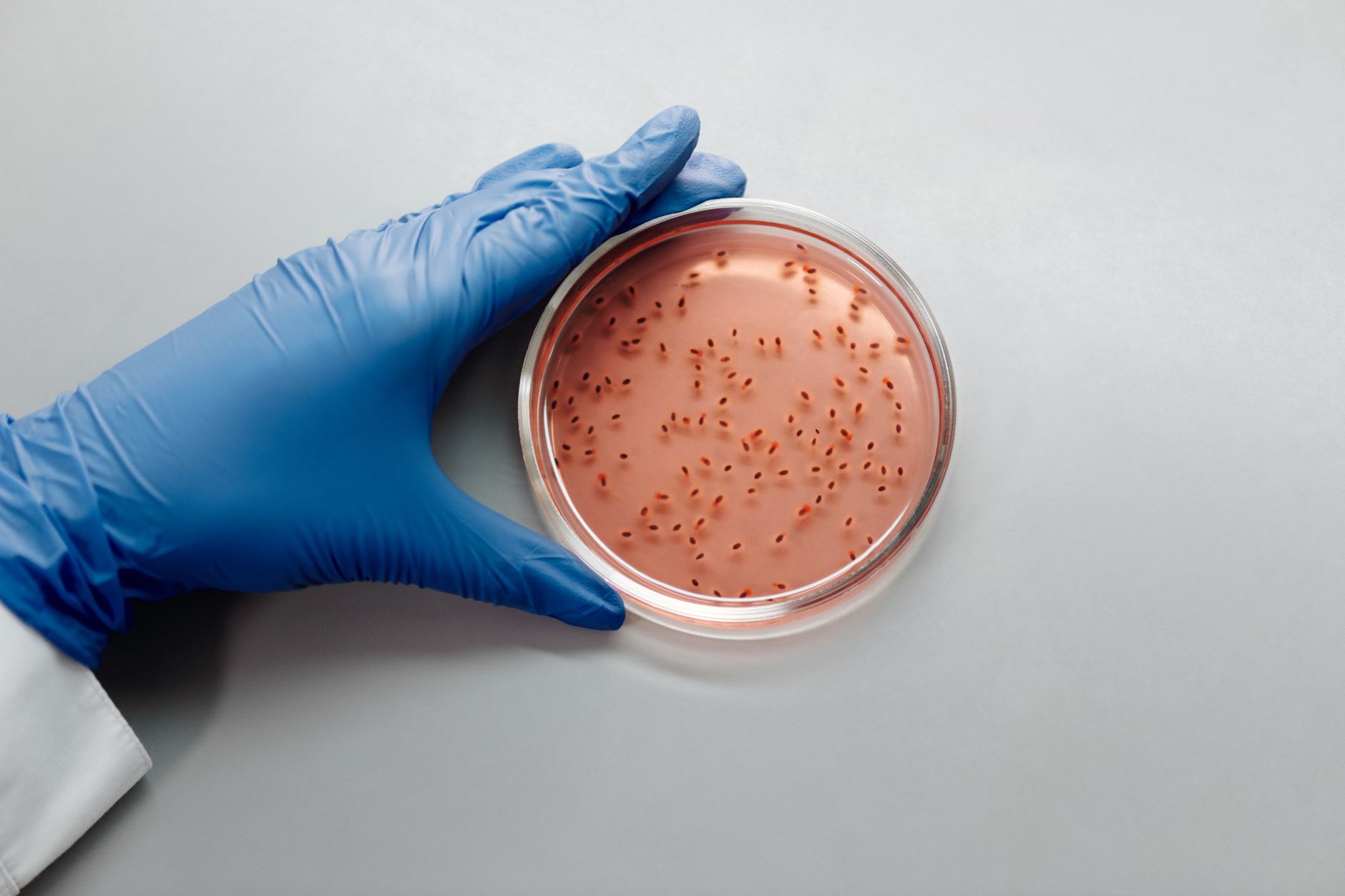
Effective management of pneumonic plague hinges on extremely rapid diagnosis and immediate, appropriate antibiotic therapy. The window for intervention is narrow, often less than 24 hours from symptom onset to irreversible progression. Diagnostic protocols involve a multi-pronged approach, with varying levels of speed and specificity. The gold standard remains bacterial culture from sputum, blood, or bronchoalveolar lavage fluid. Culturing Y. pestis on standard media like blood agar or MacConkey agar typically yields characteristic 'fried egg' colonies within 24-48 hours. However, due to the critical time constraint, faster methods are indispensable.
Molecular diagnostics, particularly Polymerase Chain Reaction (PCR), offer significantly improved turnaround times, often providing results within hours. Multiplex PCR assays targeting specific Y. pestis genes, such as the F1 capsule gene (caf1), the Pla protease gene (pla), or the chromosomal irp2 gene, are widely used. These tests boast high sensitivity (typically >95%) and specificity, crucial for early detection. Rapid antigen detection tests, particularly those detecting the F1 antigen, can offer point-of-care screening within minutes, though their sensitivity can be lower than PCR (e.g., 70-80% in early stages), making confirmatory tests necessary.
Treatment protocols are rigorous and standardized to maximize efficacy. First-line antibiotic regimens include aminoglycosides. Streptomycin is administered intramuscularly (IM) at 15 mg/kg every 12 hours (BID) for 10-14 days. Gentamicin, often preferred due to lower toxicity and availability, is given intravenously (IV) or IM at 5-7 mg/kg once daily, or 2 mg/kg loading dose followed by 1.7 mg/kg every 8 hours, also for 10-14 days. For mass prophylaxis or in cases where aminoglycosides are contraindicated, Doxycycline (100 mg orally BID) or Ciprofloxacin (500 mg orally BID) are alternative options. Studies show that initiating treatment within 15-20 hours of symptom onset drastically improves survival rates; delays beyond this significantly increase the case fatality rate (CFR).
Epidemiological benchmarks highlight the severity: the untreated CFR for pneumonic plague is nearly 100%, while with prompt and appropriate treatment, it can be reduced to 5-15%. The incubation period is typically short, ranging from 1 to 7 days, most commonly 2-3 days, facilitating rapid disease progression and transmission. While a precise R0 (basic reproduction number) is challenging to define universally due to varying outbreak contexts, estimates suggest it can be high enough in confined settings to sustain rapid spread, making swift public health intervention absolutely critical.
Why This Matters & Industry Impact: Global Preparedness & Research Frontiers
The potential for pneumonic plague to cause rapid, devastating outbreaks underscores its significance as a persistent global health threat, demanding continuous vigilance and preparedness. Its high transmissibility and lethality position it as a pathogen of significant biodefense concern. The lessons learned from historical pandemics and recent outbreaks, such as those in Madagascar, reinforce the necessity of robust public health infrastructure, rapid response capabilities, and international collaboration.
Public health impact extends beyond immediate fatalities. Outbreaks trigger extensive contact tracing, requiring identification and prophylactic treatment of all exposed individuals—a labor-intensive and resource-heavy process. Doxycycline or Ciprofloxacin are typically used for prophylaxis, administered for 7 days post-exposure. Strict patient isolation using droplet precautions (e.g., N95 masks, negative pressure rooms if available) is mandatory to prevent further transmission. The economic burden includes healthcare costs, lost productivity, and potential disruption to trade and tourism. Furthermore, the psychological impact on affected communities can be substantial, propagating fear and stigmatization.
From an industry and research perspective, the ongoing threat of Y. pestis drives several critical research frontiers. There is an urgent need for more effective and rapid point-of-care diagnostics that are deployable in resource-limited settings. Research into novel therapeutics, including next-generation antibiotics or anti-virulence drugs targeting specific YOPs or the F1 capsule, is vital given the potential for antimicrobial resistance, though resistance in Y. pestis is currently rare.
"The development of a safe, effective, and broadly available vaccine against plague, particularly one that confers protection against the pneumonic form, remains a high priority for global health security," states a WHO report.While several vaccine candidates are in various stages of development (e.g., live attenuated, subunit vaccines), none are widely available or provide complete, long-lasting protection against pneumonic plague. The challenges include achieving sustained immunity and efficacy against all forms of the disease, and ensuring deployability in regions most at risk. This continued research is crucial to mitigate future epidemics and enhance global preparedness against this ancient yet ever-present threat.
Chronological Timeline
Discovery of <em>Yersinia pestis</em> by Alexandre Yersin during Hong Kong plague epidemic.
Recognition of the pneumonic form and its direct human-to-human airborne transmission.
Introduction of streptomycin and other antibiotics dramatically reduces plague mortality rates worldwide.
Advances in molecular diagnostics (PCR) for rapid and specific detection of <em>Y. pestis</em>. Ongoing outbreaks, notably in Madagascar, highlight continued threat.
Frequently Asked Questions
Is pneumonic plague contagious?
How quickly must treatment for pneumonic plague begin?
Can pneumonic plague be prevented?
Daily Specs Editorial Staff
Lead Technical Analyst & Hardware Researcher
The Daily Specs editorial staff compiles, benchmarks, and verifies emerging technical specifications directly from system architecture manuals, hardware datasheets, and open-source codebases to deliver high-gain technical intelligence.