Power Outage Resilience: Technical Deep Dive & Mitigation
Key Takeaways
- •Modern power outages often stem from aging grid infrastructure, extreme weather, and emerging cyber threats.
- •Advanced solutions like smart grids, microgrids, and robust UPS/generator systems are critical for sustained operation.
- •Data centers employ multi-level redundancy (N+1, 2N) and strict recovery protocols to ensure continuous service availability.
- •Proactive maintenance, predictive analytics, and adherence to NERC/IEEE standards are vital for enhancing overall grid stability.
Technical Specifications & Data
| UPS Type (Online Double-Conversion) | Zero (0ms) transfer time, continuous power conditioning |
| LiFePO4 Battery Cycle Life | >5,000 cycles at 80% Depth of Discharge |
| Generator ATS (Fast-Break) | <100ms switching speed |
| Smart Grid FLISR Response Time | Typically <30 seconds for automated fault isolation |
| Data Center Tier III Redundancy | N+1 for power/cooling, 72-hour outage sustainment |
| SAIDI (System Average Interruption Duration Index) | Measures total duration of outages for avg. customer per year |
| NERC CIP Compliance Domains | Critical Cyber Asset Identification, Security Management, Incident Response |
| Microgrid Islanding Time | Typically <500ms when properly configured |
Understanding Modern Power Outages: Beyond the Basics
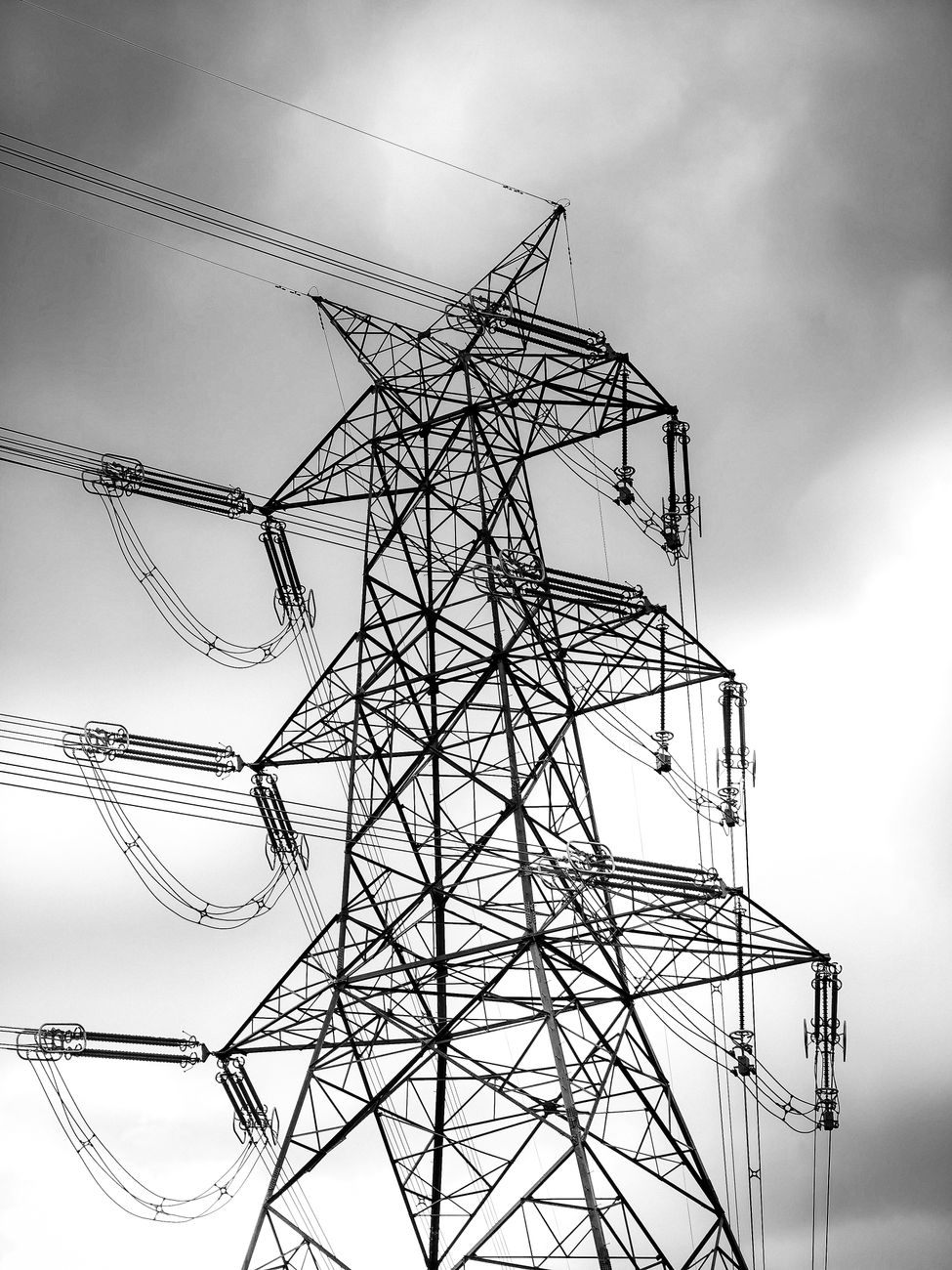
A power outage, or blackout, signifies more than just a momentary loss of electricity; it represents a critical failure point for modern infrastructure, impacting everything from communication networks to data integrity. While common causes like severe weather and equipment failures persist, the complexity of today's interconnected grids introduces new vulnerabilities. Aging transmission and distribution infrastructure, often operating beyond its designed lifespan, is susceptible to wear, thermal stress, and cascading failures. Moreover, the increasing reliance on digital control systems makes the grid a potential target for sophisticated cyber-attacks, capable of causing widespread disruption.
The technical ramifications for IT systems during an outage are significant. Beyond immediate data loss from ungraceful shutdowns, power fluctuations such as sags, swells, or transients – often referred to as 'dirty power' – can stress sensitive electronics, leading to premature hardware degradation, corrupted storage, and reduced component lifespan. Data centers face the acute challenge of maintaining continuous cooling, as even short power interruptions can lead to server overheating and thermal shutdowns, causing significant downtime and potential hardware damage. The economic cost of outages can be staggering, with industries losing billions annually due to production halts, data recovery efforts, and reputational damage. Understanding these multifaceted threats is the first step towards building genuinely resilient systems.
Why This Matters & Unique Technical Insights
The drive for enhanced resilience against power outages is paramount, pushing for advanced technical solutions that go beyond basic backup. For grid operators, the integration of Advanced Distribution Management Systems (ADMS) is transformative. These intelligent platforms enable real-time fault detection, isolation, and service restoration (FLISR) capabilities, drastically reducing outage durations. Modern FLISR systems aim for restoration times as low as tens of seconds in automated segments, contrasting sharply with manual fault location that can take hours. Furthermore, adherence to standards like NERC Critical Infrastructure Protection (CIP) ensures robust cybersecurity measures for control systems (SCADA, ICS), protecting against sophisticated digital assaults that could disrupt grid operations.
In local systems, Uninterruptible Power Supply (UPS) technologies have evolved. While traditional Valve Regulated Lead-Acid (VRLA) batteries remain common, Lithium Iron Phosphate (LiFePO4) batteries are gaining traction due to their superior cycle life (often >5,000 cycles vs. <500 for VRLA), higher energy density, and greater thermal stability, offering longer backup runtimes in smaller footprints. Automatic Transfer Switches (ATS) for generators are crucial; their switching speed dictates continuity for critical loads. High-speed ATS can achieve transfer times of <100 milliseconds for fast-break systems, ensuring seamless transitions. For data centers, Uptime Institute's Tier classifications (e.g., Tier III requiring N+1 redundancy, 72-hour power outage sustainment without external fuel) define operational uptime, with power usage effectiveness (PUE) on backup power often being 1.5-2.0 or higher due to less optimized load balancing and cooling systems running solely on generators. These technical benchmarks and evolving solutions are what truly differentiate robust, resilient infrastructure.
Advanced Mitigation & Resilience Technologies
Mitigating the impact of power outages requires a multi-layered approach, leveraging cutting-edge hardware and intelligent software solutions. At the core of localized protection are advanced UPS systems. True online double-conversion UPS units offer zero transfer time and continuously condition power, protecting sensitive electronics from sags, swells, and frequency variations. Modular UPS designs further enhance scalability and N+1 redundancy, allowing for hot-swappable components and simplified maintenance without downtime. Diesel or natural gas generators, paired with sophisticated ATS, provide long-duration backup. Modern ATS units can be configured for closed-transition transfers, ensuring no interruption to power even during the switch, crucial for extremely sensitive loads.
The concept of the microgrid is a paradigm shift in resilience. By integrating distributed energy resources (DERs) like solar PV, wind turbines, and battery energy storage systems (BESS), microgrids can 'island' from the main grid during an outage, maintaining power to critical facilities autonomously. This localized resilience is further enhanced by intelligent energy management systems (EMS) that optimize generation and consumption. On a broader scale, smart grid technologies, including advanced sensors, communication networks, and artificial intelligence, enable predictive maintenance and self-healing network capabilities, preemptively identifying and isolating faults before they escalate. Cloud computing architectures also contribute to resilience through geo-redundancy and distributed data storage, ensuring service continuity even if entire regions experience an outage. These integrated strategies form the backbone of a truly resilient power ecosystem.
Ensure continuous power for your critical devices. Explore top-rated UPS systems and standby generators today for ultimate reliability!
Chronological Timeline
First central power station (Pearl Street, NYC) by Edison, marking the dawn of centralized grid systems.
Northeast Blackout of 1965, affecting 30 million people and prompting the creation of the North American Electric Reliability Council (NERC).
Northeast Blackout of 2003, highlighting vulnerabilities in interconnected grids and leading to stricter NERC reliability standards.
Accelerated development and deployment of Smart Grid technologies, including ADMS, FLISR, and microgrids, to enhance grid resilience.
Focus on grid cybersecurity (NERC CIP standards), integration of Distributed Energy Resources (DER), and AI-driven predictive maintenance.
Frequently Asked Questions
What are SAIDI and SAIFI in grid reliability?
How do microgrids enhance power outage resilience?
What is an Automatic Transfer Switch (ATS) for generators?
How do data centers prepare for power outages?
Daily Specs Editorial Staff
Lead Technical Analyst & Hardware Researcher
The Daily Specs editorial staff compiles, benchmarks, and verifies emerging technical specifications directly from system architecture manuals, hardware datasheets, and open-source codebases to deliver high-gain technical intelligence.